This 1974 lesson’s about the importance of frozen peas – backed up by Bird’s Eye brochures
There’s a two pound bag of frozen Birds Eye Peas and a large packet of Uncle Ben’s rice on my demonstration table, and I’ve scratched PEAS in chalk on the shiny rollerboard.

‘Do you all know this advert?’
I sing them the ditty.
‘Sweet as the moment when the pod went pop!’
Hands go up.
‘Trudy.’
‘It’s Birds Eye peas like that Captain Birdseye who advertises Birds Eye fish fingers.’
Ah, the Captain that assures mums that Birds Eye fish fingers are made from plump, sea fresh cod. It’s odd that the British prefer cod to any other fish. Why? Does the captain tip all other varieties overboard when he lands his catches?
‘So what do they say in the pea adverts? ’
More hands up.
‘Jimmy’
‘Miss …they pick ‘em younger.’
‘Like you’ someone mutters.
I pass around the Birds Eye Guide to Vegetables leaflets. Colourful, sponsored freebies for my teaching instead of our dingy textbooks, which I can’t replace. Yet.
The Guide tells the story of their founder, Clarence, who invented quick freezing and gave us so many frozen food choices.
‘Jill, can you read this to us?’
I’m careful who I pick to read out loud. Some stumble and get embarrassed and some refuse.
‘On a hunting trip, Clarence ate some fish which had been quickly frozen outdoors in very icy weather. He noticed that the fish was fresh and tender and invented a quick freezing machine that would freeze food at low temperatures. Quick frozen food has smaller ice crystals so there’s less damage when the food is defrosted.’
The Birds Eye advert says ‘Because we freeze them straight after picking, Birds Eye peas keep their natural goodness — fresh as the moment the pod went pop.’
‘Class – are frozen peas as nutritious as fresh ones?’
Here’s the debate. Local families often grow peas on their allotments, then pick ’em, pod ’em and cook ’em within hours, so they’re fresh, while greengrocer’s peas in pods can be several weeks old.
‘Jimmy – open the Manual of Nutrition and find where I’ve marked Peas. Write down the amount of Vitamin C in 100 grams of peas and frozen peas.’
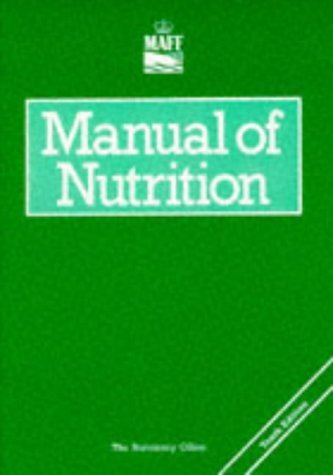
The Manual of Nutrition, produced by the UK Department of Health, contains tables showing the nutritional value of foods that we eat in this country. Tripe, ox liver, pilchards and suet are all included. There’s data on calories, protein, fat and carbohydrates, many of the vitamins and important minerals. Exam boards should pay more attention to nutrition for their theory questions instead of fatty cake recipes.
Ted leans in to help Jimmy decipher the rows and columns of data.
‘Miss – peas 24mg and frozen peas 22mg but I don’t know what mg stands for.’’
‘Milligram – a gram is a thousand milligrams. Which pea has the most Vitamin C?’
They don’t answer. Why is this maths so hard for this lot?
‘It’s the fresh peas, but Vitamin C is lost as peas get older, so fresh and frozen could have the same amount.’
I could tell them about the importance of vitamin C and how, in the seventeenth century, British sailors took limes and lemons on board ships to prevent the crew from getting scurvy. And that the British were called limeys. They’ve got the message that frozen peas are OK and they’re putting on their aprons to cook. TThey’re restless to cook.
‘It’s pea risotto today. Easy, nutritious, cheap, using frozen peas which you can buy anywhere.’
With our fuel emergencies, fresh vegetables are in short supply, so frozen food fits the bill.
‘Fry the onion in margarine, stir in the rice, slowly add stock – boiling water and stock cube, then frozen peas. Done.’
The supermarkets around here sell pudding rice, Patna rice and sometimes packets of Uncle Ben’s but more types of rice will soon come, I’m sure.
Cynthia lays out their trays with portions of rice, half an onion, a stock cube and some frozen peas. They’re off.
‘When it’s cooked spoon into a bowl, sprinkle with grated cheese and bring it over for marking.’
We lay the tables with cloths and cutlery and soon they are tucking into their risotto, except for those who like to take home what they have made.
‘For your homework, take a copy of The Manual of Nutrition and work out the nutritional value of the portion of Pea Risotto – the amount of calories, protein, fat, carbohydrate, sugar, salt and fibre.’
How I wish the government would make companies show the nutritional labelling of the food products so that we know the food value of these new products we are eating. It must come.
There’s a dreadful O level question From our textbooks which I’m not giving them to do.
Question
‘Why are meatless dishes often unpopular?
How can this be avoided?
Describe the preparation of a quickly prepared vegetarian dish suitable for supper.’
Imagine their answers. Should I give it for practice? A letter to the exam board is needed.
 itaughtthemtocook.com
Pingback: Peas please – Jenny Ridgwell